Join the Movement

Do you know THE OCEAN CODE?

SafeBeaches.org™ saves lives by transforming the ocean safety wisdom of surf culture into a national public safety movement — teaching every beachgoer the 10 behaviors of THE OCEAN CODE™ so that drowning and water and beach-related injuries become a thing of the past.

Latest coastal storyThankful for Our Ocean. Thankful for Our Lifeguards.  →

Know the Code. Share the Code. Live the Code. SAVE LIVES.

What is Safe Beaches | THE OCEAN CODE?

Safe Beaches is a public wareness and safety movement teaching THE OCEAN CODE, ten simple behaviors that help keep us safe at the beach and the ocean and saves lives.

  • 4,500+

    preventable drowning deaths in the U.S. each year

    CDC

  • 80%+

    of surf rescues involve rip currents

    U.S. Lifesaving Association

  • 2–3×

    better survival odds when CPR starts right away

    American Heart Association

It’s Cool to Know THE OCEAN CODE.

10 behaviors that you should know to stay safe at the beach and the ocean.

  1. A lifeguard with a rescue tube watching swimmers
    THE OCEAN CODE · 1SWIM NEAR A LIFEGUARD

    Code 1: Swim Near a Lifeguard and with a Friend

    The single most effective safety decision at any beach. USLA-guarded beaches have a drowning rate of 1 in 18 million. Swim in the protected zone, look out for each other, and stay where a lifeguard can see you.
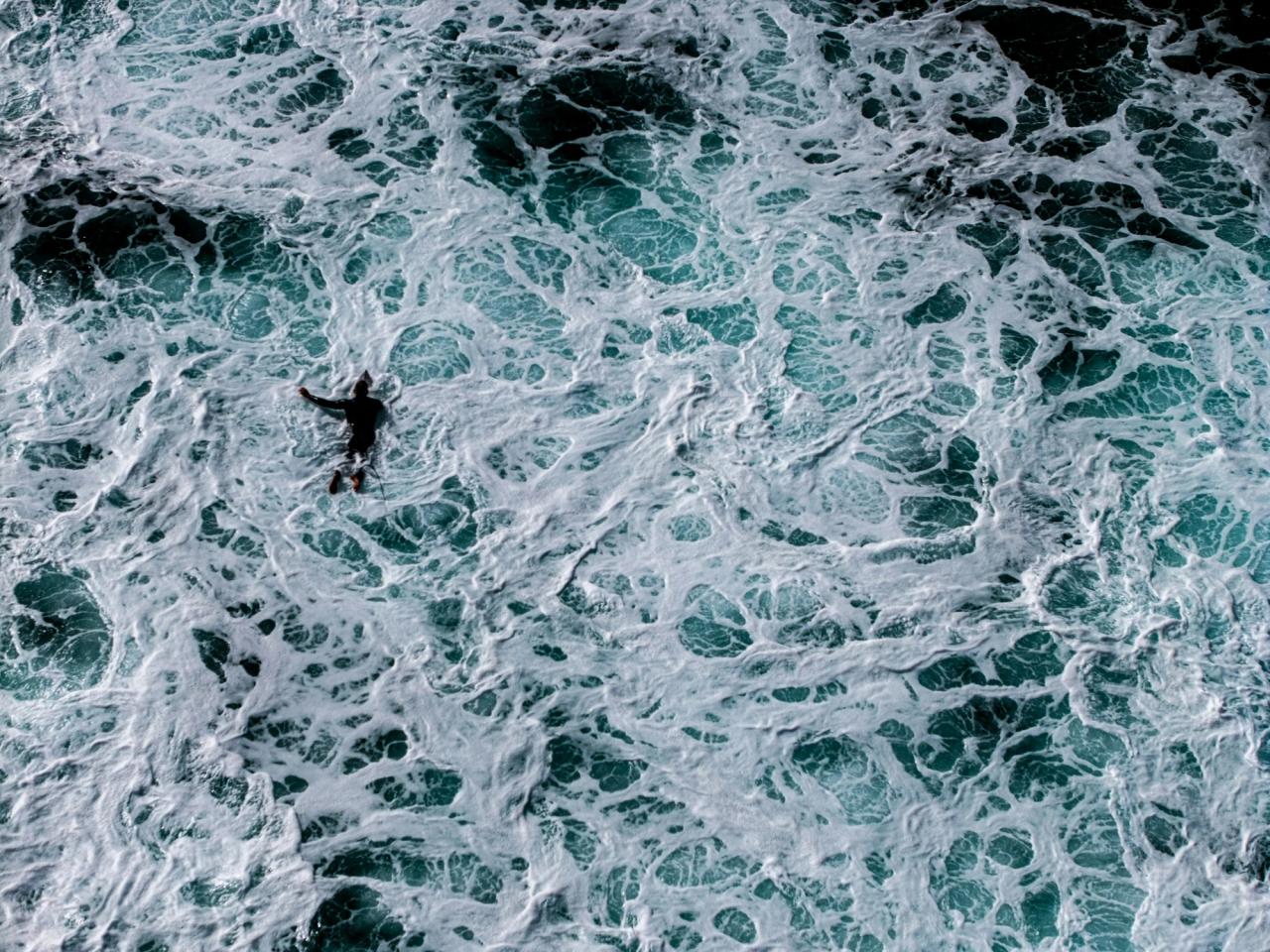

  2. A person in a wetsuit floating calmly in foamy whitewater, seen from above
    THE OCEAN CODE · 2KNOW YOUR LIMITS

    Code 2: Know Your Limits

    Check conditions and know your abilities before entering. Cold water, currents, and rough surf can overwhelm even strong swimmers. If a wave holds you underwater, hold your breath, protect your head, and stay calm. When it passes, return to the surface, float, and breathe.

  3. A warning sign by a driftwood log reads "Deadly Sneaker Waves and Hazardous Surf"
    THE OCEAN CODE · 3NEVER TURN YOUR BACK

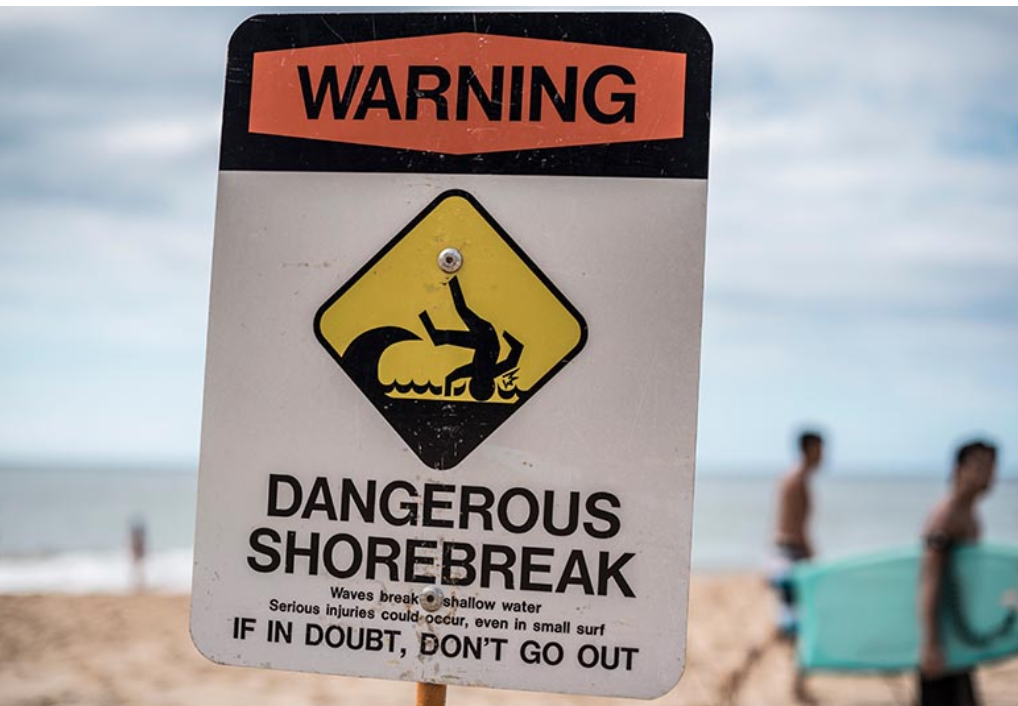
    Code 3: Never Turn Your Back On The Ocean

    Sneaker waves and shorebreak can surge far up the beach without warning, knocking people off their feet and rocks, pulling them into the water. Keep your eyes on the water, stay off wet rocks and logs, stay back from the surf, keep off wet rocks and beach logs. Always face the ocean and be alert.

  4. A red danger sign at the base of a sandstone cliff
    THE OCEAN CODE · 4STAY CLEAR OF CLIFFS

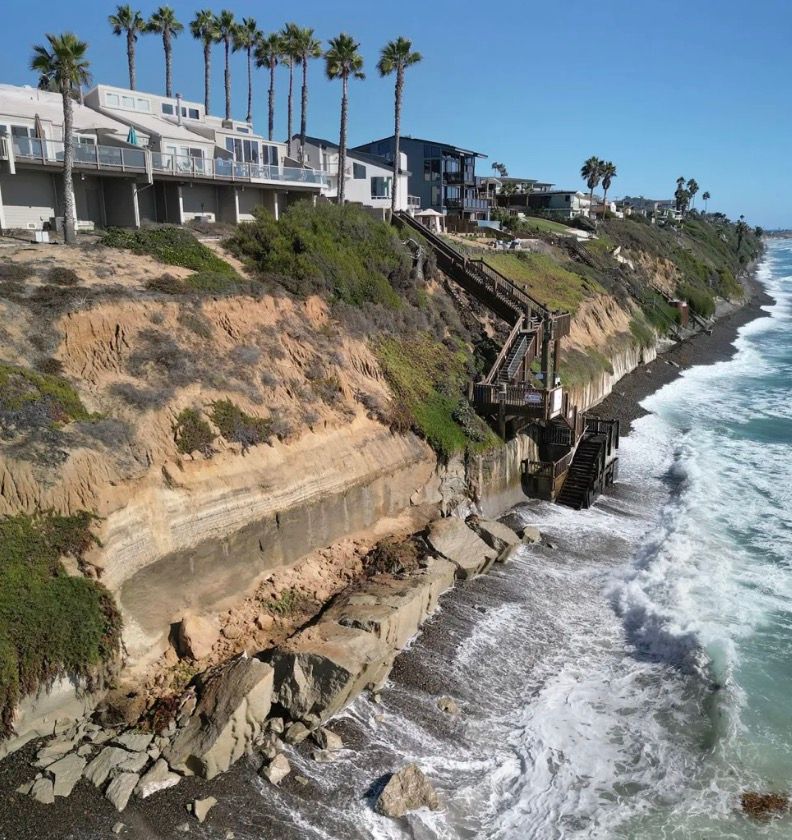
    Code 4: Stay Clear of Cliffs

    Coastal cliff collapses cause tragic deaths and injuries every year. Never sit at the base or stand near eroding edges; cliffs can give way without any warning.

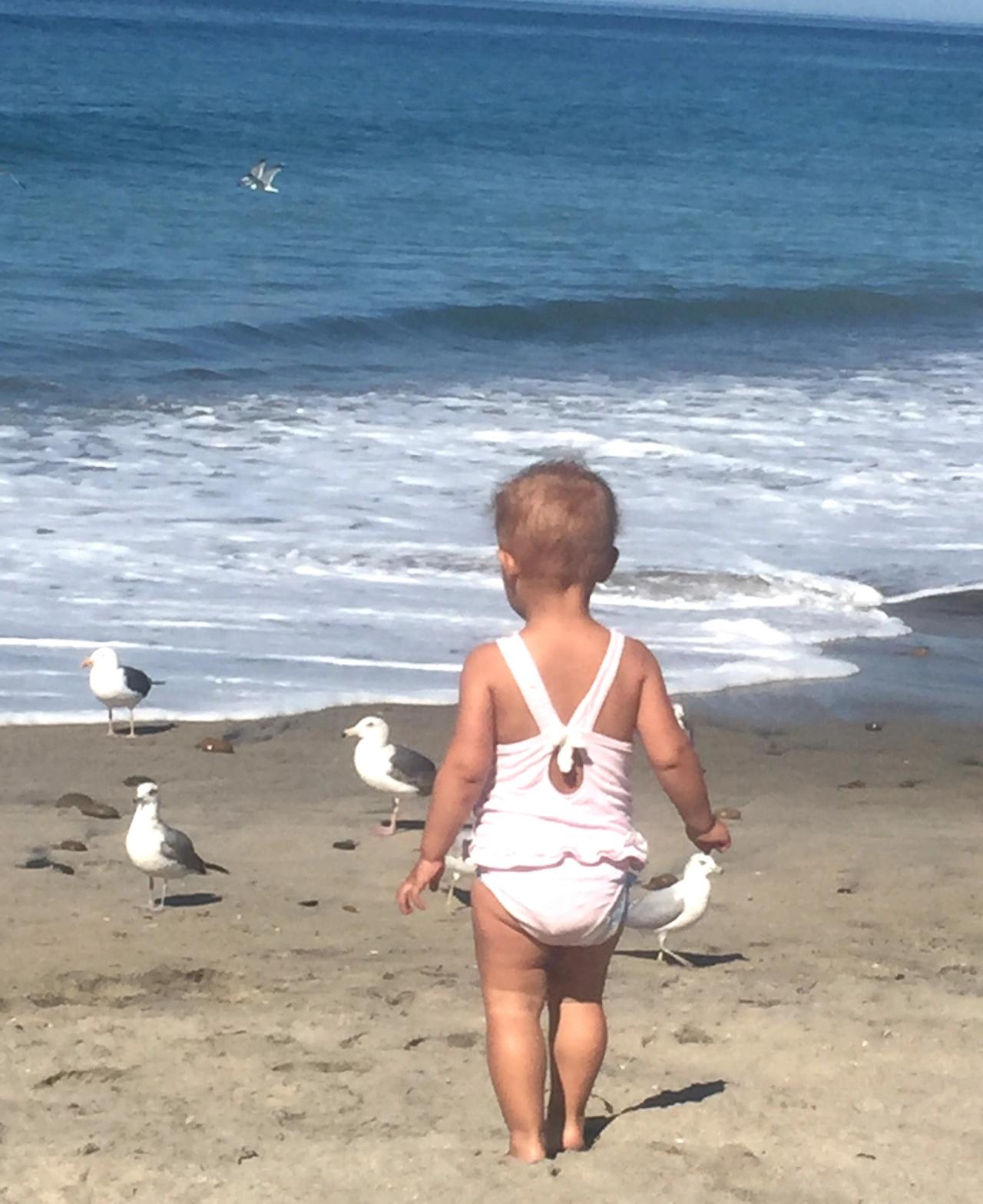
  5. Baby at the Beach
    THE OCEAN CODE · 5RESPECT OCEAN LIFE

    Code 5: Respect Ocean Life

    The ocean is full of life. Shuffle your feet to avoid stingrays, give space to seals and dolphins, leave the seafloor undisturbed, and protect our living ocean.

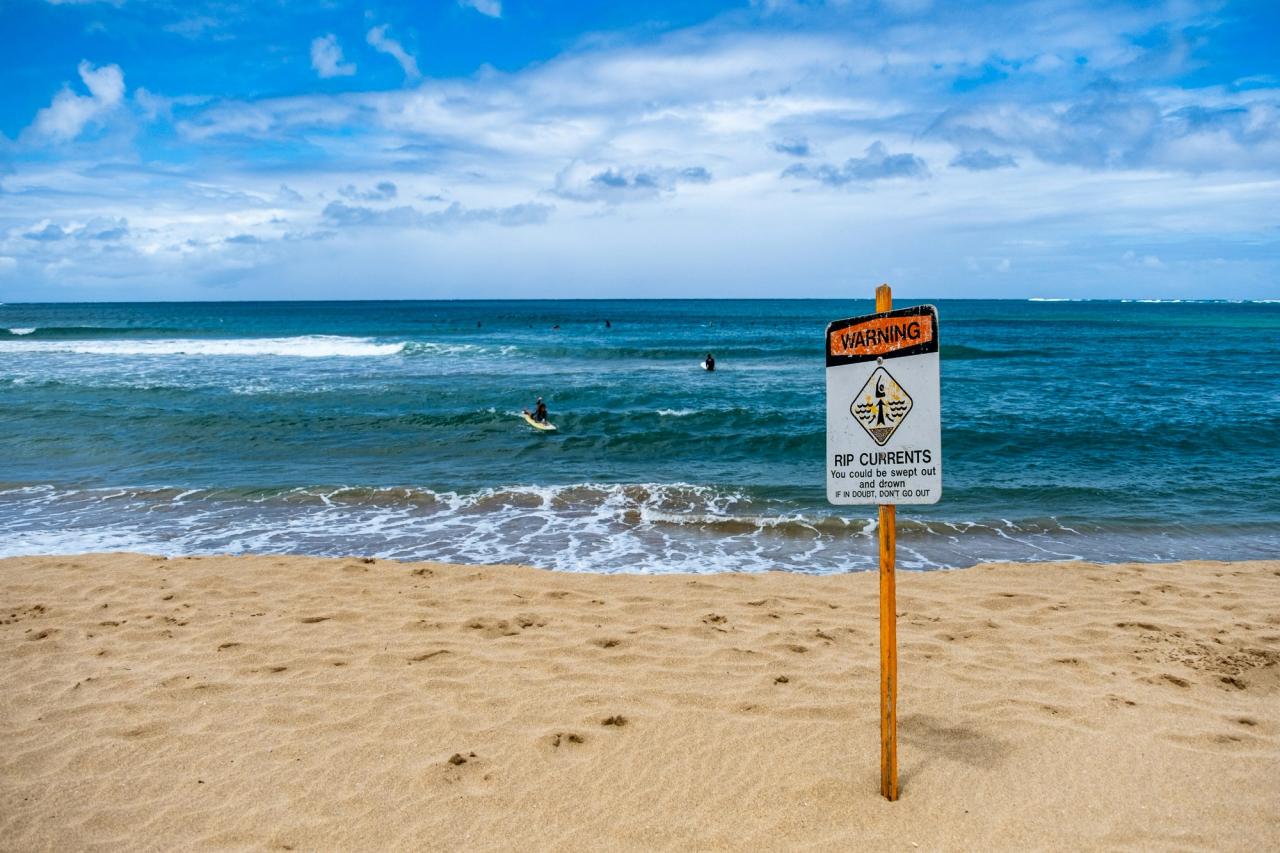
  6. A rip current warning sign on the sand, with surfers out in the waves
    THE OCEAN CODE · 6ESCAPE A RIP CURRENT

    Code 6: Escape a Rip Current

    Rip currents cause 80% of lifeguard rescues. Don't fight it; swim parallel to shore to break free, float to conserve energy, and signal for help.

  7. A big wave curling and breaking close to shore
    THE OCEAN CODE · 7PROTECT HEAD & NECK

    Code 7: Protect Head and Neck

    Never dive into unknown or shallow water. Enter feet first every time, and be careful going over the falls on a wave. Spinal injuries from diving are catastrophic and 100% preventable.

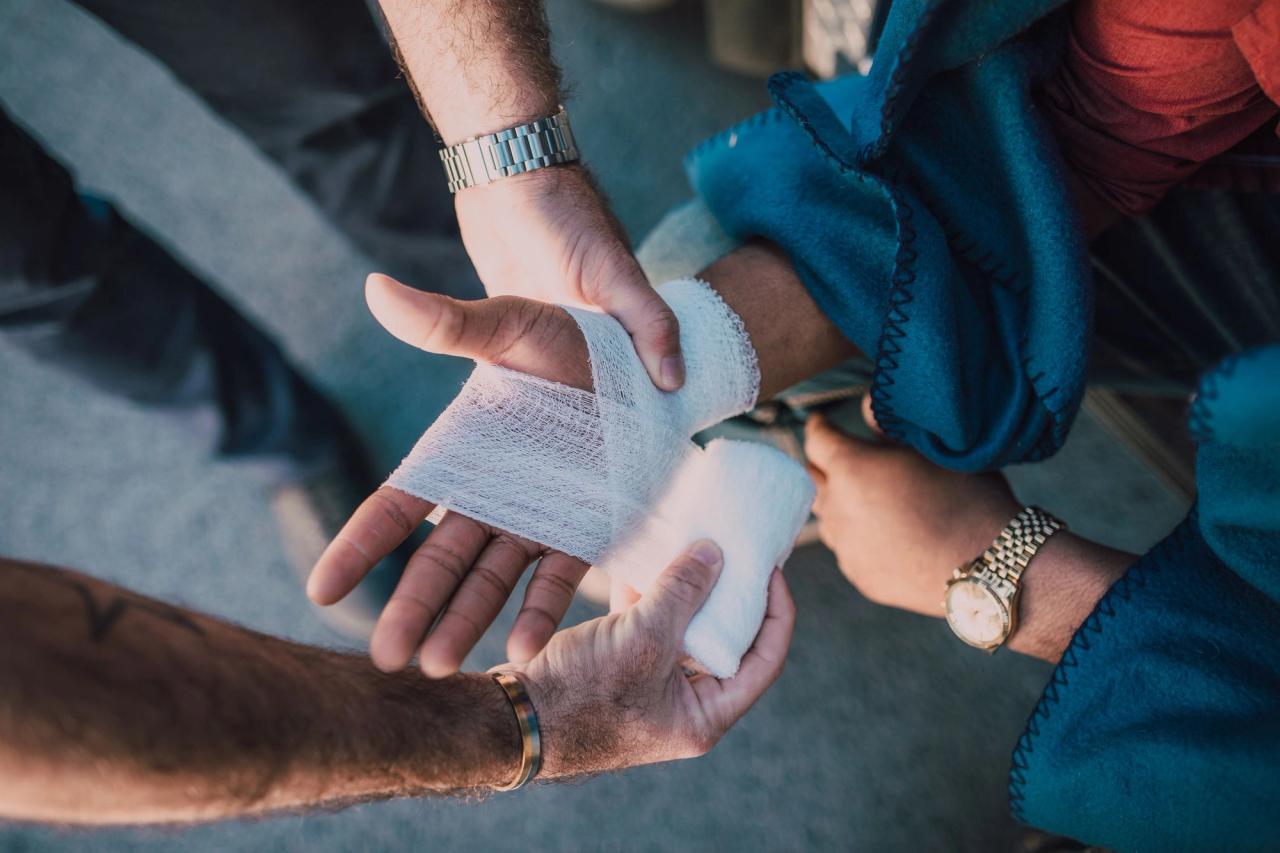
  8. Hands wrapping a gauze bandage around someone's hand
    THE OCEAN CODE · 8STOP THE BLEED

    Code 8: Stop the Bleed

    Severe bleeding at the beach, from rocks, reefs, or surfboard fins, can be fatal within minutes. Apply firm, continuous pressure and don't let go until help arrives.

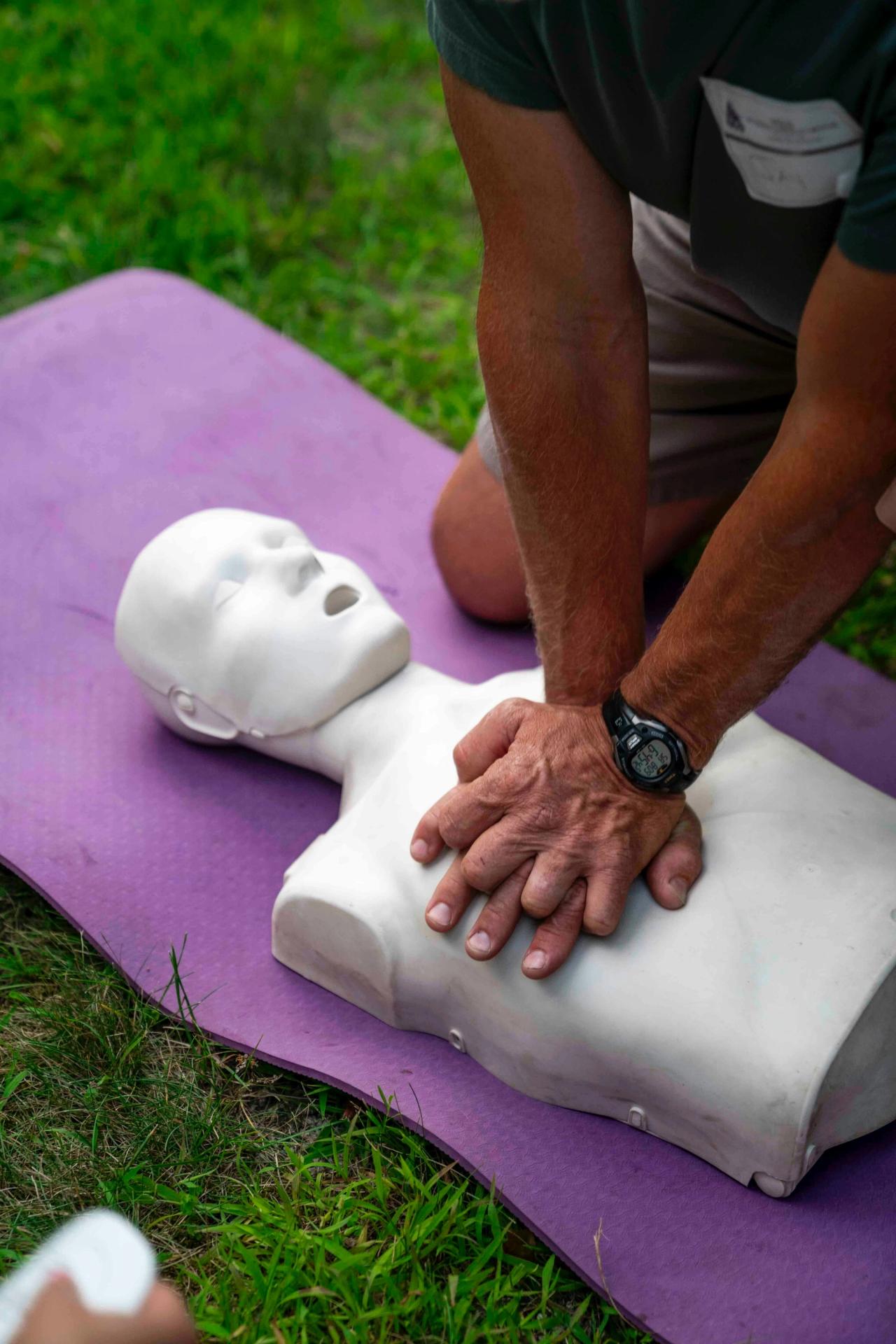
  9. Hands doing chest compressions on a CPR training manikin outdoors
    THE OCEAN CODE · 9CPR ON THE SAND

    Code 9: CPR on the Sand

    Bystander CPR doubles or triples survival rates. Brain damage begins in 4–6 minutes. Call 911 first, then begin chest compressions. Firm, rhythmic pressure can keep someone alive until help arrives.

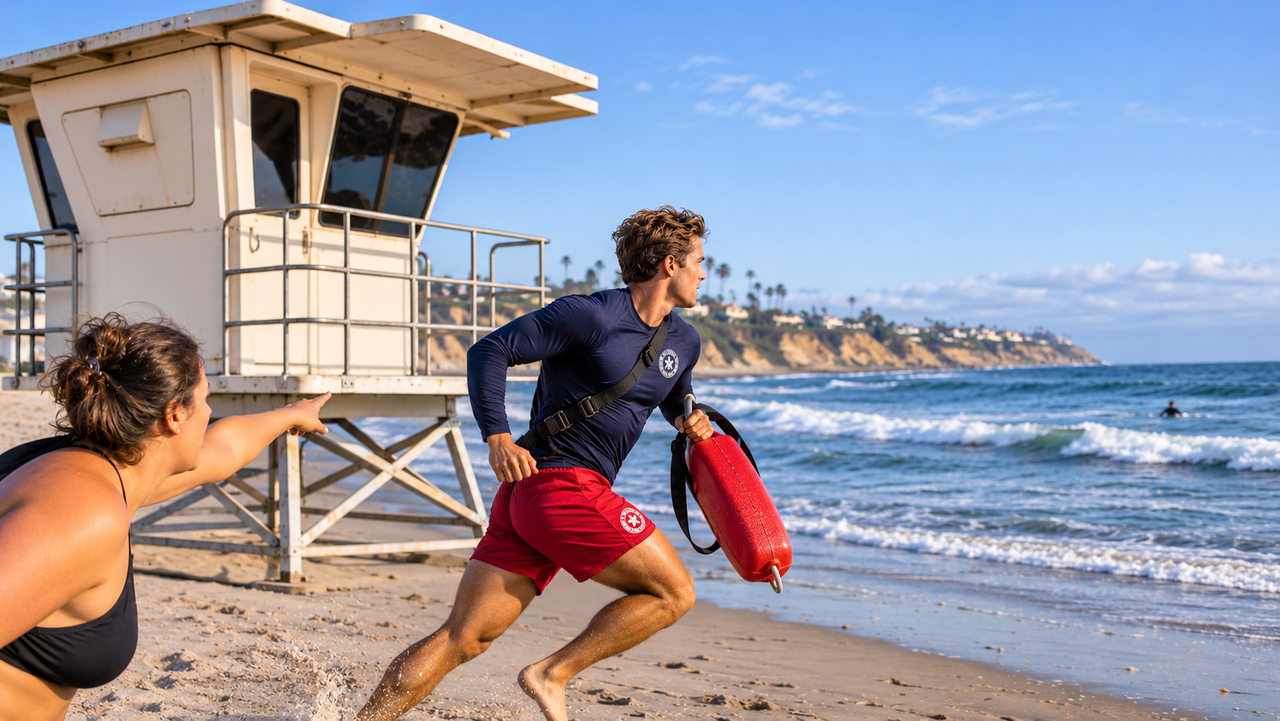
  10. A lifeguard watching swimmers through binoculars
    THE OCEAN CODE · 10ACT EARLY

    Code 10: Act Early

    A drowning person can become unconscious in 60 seconds. Speak up, call for help, and act the moment something doesn't feel right or safe.

Imagine if every beach trip started with one question:

“Do you know THE OCEAN CODE?”

Just as people instinctively buckle a seatbelt, wear sunscreen, or put on a bicycle helmet, we believe knowing THE OCEAN CODE can become a normal part of preparing for a day at the beach.

Why it matters: from Awareness to Action

Surfers have always looked out for each other.

Surf culture has always been the guardian of our beaches. Those who paddle out and those who watch from the sand look out for one another — and for everyone who visits.

Professional lifeguards stand the watch. But so many people never learn the risks in front of them.

SafeBeaches.org turns that ocean wisdom into ten simple behaviors anyone can learn in minutes, remember under pressure, and pass on.

  1. Teach the Ten

    In classrooms, junior guards and lifeguard talks.

  2. Build awareness

    Posters, stickers and QR signs at the beach.

  3. Change behavior

    Habits people remember under pressure.

  4. Reduce risk

    Fewer people in trouble in the water.

  5. Prevent tragedy

    More families go home together.

Laid back. Respectful. Powerful. It's cool to know THE OCEAN CODE.

Join the movement

Building a national public education movement around THE OCEAN CODE. Know the Code. Before you need it.

  • Take THE OCEAN CODE Pledge

    Learn and share THE OCEAN CODE.

    Coming soon

  • Become a partner

    Bring THE OCEAN CODE to your school, city or business.

    Email Lane 

  • Get more information

    Programs, resources and events.

    See the Ten 

  • Make a donation

    Fund education and outreach.

    How to give 

Coast report

All news →
  1. November 29

  2. November 21

Look out for each other.

Cities, lifeguards, schools, surf shops and hotels help put THE OCEAN CODE where people see it.

  • Surfing Madonna logo
    Nonprofit

    Surfing Madonna

    Beach safety days for local kids, with the Ten on every handout.

  • WildCOAST logo
    Nonprofit

    WildCOAST

    Ocean Life tips on their tide-pool walks.

  • Surfhouse logo
    Hotel

    Surfhouse

    The Ten at the front desk and a Code card in every room.

  • Coffee Coffee logo
    Local business

    Coffee Coffee

    A QR sticker on every cup sleeve.

  • California Surf Museum logo
    Nonprofit

    California Surf Museum

    Surf history and culture in Oceanside.

  • Danna Foundation logo
    Nonprofit

    Danna Foundation

    Founding Donor

  • Your logo here

    Join the crew

    Put THE OCEAN CODE where your people see it. Signs, stickers and posters are free.

    Become a partner

Learn more from the experts

Thank you to our generous founding donors

  • The Danna Foundation
  • Jon and Deb Webb
  • Pat Davis
  • Michael and Nikki Harth
  • Stewart Title